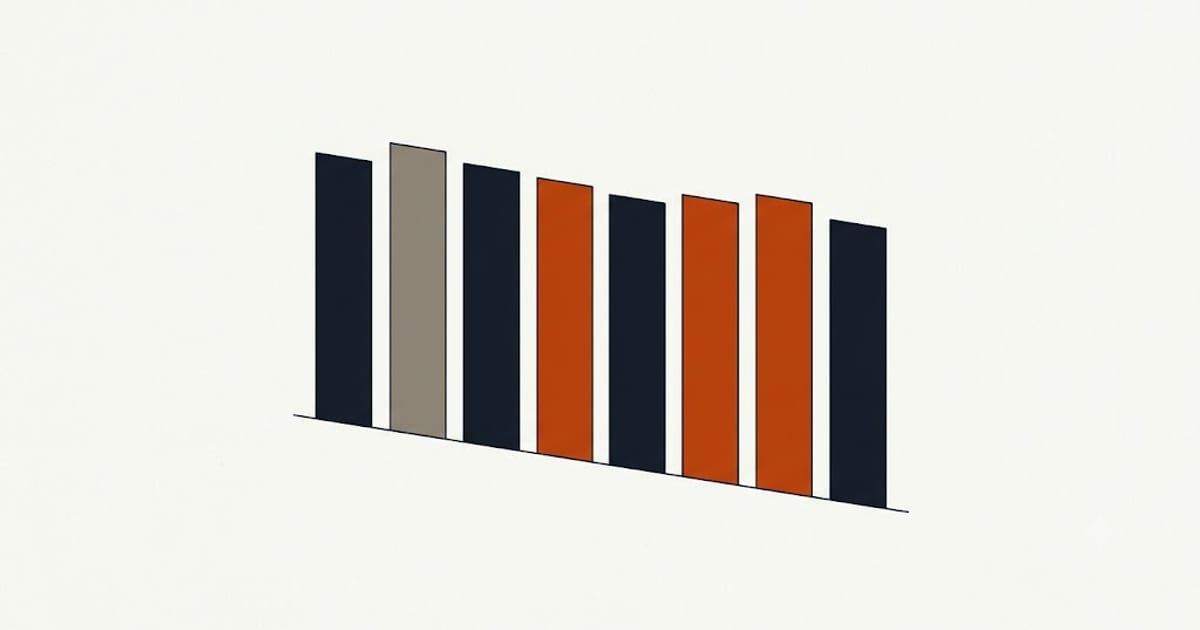
Replacing a 1,000 ft² drain field costs $10,828 in West Virginia and $15,137 in New Jersey — a spread of just 40%, which is narrow for a construction job.
That narrowness is the useful part, and it is why this page is worth reading before you compare local quotes.
Every state
| State | Septic Tank Servicers and Sewer Pipe Cleaners mean pay | Labor factor | Typical total | Bid range |
|---|---|---|---|---|
| Alabama | $47,630 | 0.89 | $12,216 | $7,517 – $23,491 |
| Alaska | $61,530 | 1.15 | $14,073 | $8,660 – $27,064 |
| Arizona | $50,160 | 0.938 | $12,554 | $7,725 – $24,142 |
| Arkansas | $40,430 | 0.756 | $11,253 | $6,925 – $21,641 |
| California | $57,610 | 1.077 | $13,549 | $8,338 – $26,056 |
| Colorado | $56,270 | 1.052 | $13,370 | $8,228 – $25,712 |
| Connecticut | $63,720 | 1.191 | $14,366 | $8,841 – $27,627 |
| Delaware | $47,890 | 0.895 | $12,250 | $7,539 – $23,558 |
| District of Columbia | — (not published) | 1 | $13,000 | $8,000 – $25,000 |
| Florida | $48,600 | 0.908 | $12,345 | $7,597 – $23,741 |
| Georgia | $52,080 | 0.973 | $12,810 | $7,883 – $24,635 |
| Hawaii | $60,670 | 1.134 | $13,958 | $8,590 – $26,843 |
| Idaho | $48,990 | 0.916 | $12,397 | $7,629 – $23,841 |
| Illinois | $57,230 | 1.07 | $13,498 | $8,307 – $25,959 |
| Indiana | $50,720 | 0.948 | $12,628 | $7,771 – $24,286 |
| Iowa | $57,200 | 1.069 | $13,494 | $8,304 – $25,951 |
| Kansas | $45,870 | 0.857 | $11,980 | $7,372 – $23,039 |
| Kentucky | $46,630 | 0.872 | $12,082 | $7,435 – $23,234 |
| Louisiana | $52,900 | 0.989 | $12,920 | $7,951 – $24,846 |
| Maine | $48,320 | 0.903 | $12,308 | $7,574 – $23,669 |
| Maryland | $56,000 | 1.047 | $13,334 | $8,206 – $25,643 |
| Massachusetts | $56,940 | 1.064 | $13,460 | $8,283 – $25,884 |
| Michigan | $51,680 | 0.966 | $12,757 | $7,850 – $24,532 |
| Minnesota | $62,010 | 1.159 | $14,137 | $8,700 – $27,187 |
| Mississippi | $42,380 | 0.792 | $11,514 | $7,085 – $22,142 |
| Missouri | $53,050 | 0.992 | $12,940 | $7,963 – $24,884 |
| Montana | $55,200 | 1.032 | $13,227 | $8,140 – $25,437 |
| Nebraska | $58,300 | 1.09 | $13,641 | $8,395 – $26,234 |
| Nevada | $54,900 | 1.026 | $13,187 | $8,115 – $25,360 |
| New Hampshire | $65,270 | 1.22 | $14,573 | $8,968 – $28,025 |
| New Jersey | $69,490 | 1.299 | $15,137 | $9,315 – $29,110 |
| New Mexico | $43,450 | 0.812 | $11,657 | $7,173 – $22,417 |
| New York | $56,030 | 1.047 | $13,338 | $8,208 – $25,650 |
| North Carolina | $50,900 | 0.951 | $12,653 | $7,786 – $24,332 |
| North Dakota | $52,350 | 0.979 | $12,846 | $7,905 – $24,704 |
| Ohio | $53,750 | 1.005 | $13,033 | $8,021 – $25,064 |
| Oklahoma | $43,400 | 0.811 | $11,650 | $7,169 – $22,404 |
| Oregon | $55,770 | 1.042 | $13,303 | $8,187 – $25,583 |
| Pennsylvania | $55,730 | 1.042 | $13,298 | $8,183 – $25,573 |
| Rhode Island | — (not published) | 1 | $13,000 | $8,000 – $25,000 |
| South Carolina | $46,510 | 0.869 | $12,066 | $7,425 – $23,204 |
| South Dakota | $45,040 | 0.842 | $11,869 | $7,304 – $22,826 |
| Tennessee | $43,070 | 0.805 | $11,606 | $7,142 – $22,319 |
| Texas | $47,090 | 0.88 | $12,143 | $7,473 – $23,353 |
| Utah | $55,390 | 1.035 | $13,253 | $8,155 – $25,486 |
| Vermont | $48,960 | 0.915 | $12,393 | $7,627 – $23,833 |
| Virginia | $49,620 | 0.927 | $12,481 | $7,681 – $24,003 |
| Washington | $65,880 | 1.231 | $14,655 | $9,018 – $28,182 |
| West Virginia | $37,250 | 0.696 | $10,828 | $6,664 – $20,824 |
| Wisconsin | $55,940 | 1.046 | $13,326 | $8,201 – $25,627 |
| Wyoming | $49,580 | 0.927 | $12,476 | $7,678 – $23,993 |
Why the spread is so tight
Septic tank servicers and sewer pipe cleaners average $53,500 nationally, and the gap between the highest and lowest states is far smaller than for plumbers or electricians. California pays $57,610 against Ohio's $53,750 — a difference of 7%, where plumbers in the same two states differ by nearly a fifth.
On top of that, only 55% of a drain field is labour. The rest is excavation hours, gravel or chamber media, perforated pipe and a distribution box, and none of those travel far from national pricing.
The practical consequence: if two quotes in the same county differ by half, wages are not the explanation. The difference is in the design, the soil, the haul distance for gravel, or what one of them is quietly leaving out.
The area is not something you choose
Field size falls out of two numbers you do not control: the percolation rate of the soil and the number of bedrooms the county counts. Slow soil needs more area for the same household, which is why an identical house costs twice as much to serve on clay as on sandy loam.
At a typical loading rate of 0.6 gal/ft²/day, a three-bedroom house needs about 750 ft²; four bedrooms needs 1,000. If you have not had a perc test, the figures here are planning numbers and nothing more.
What sits outside this price
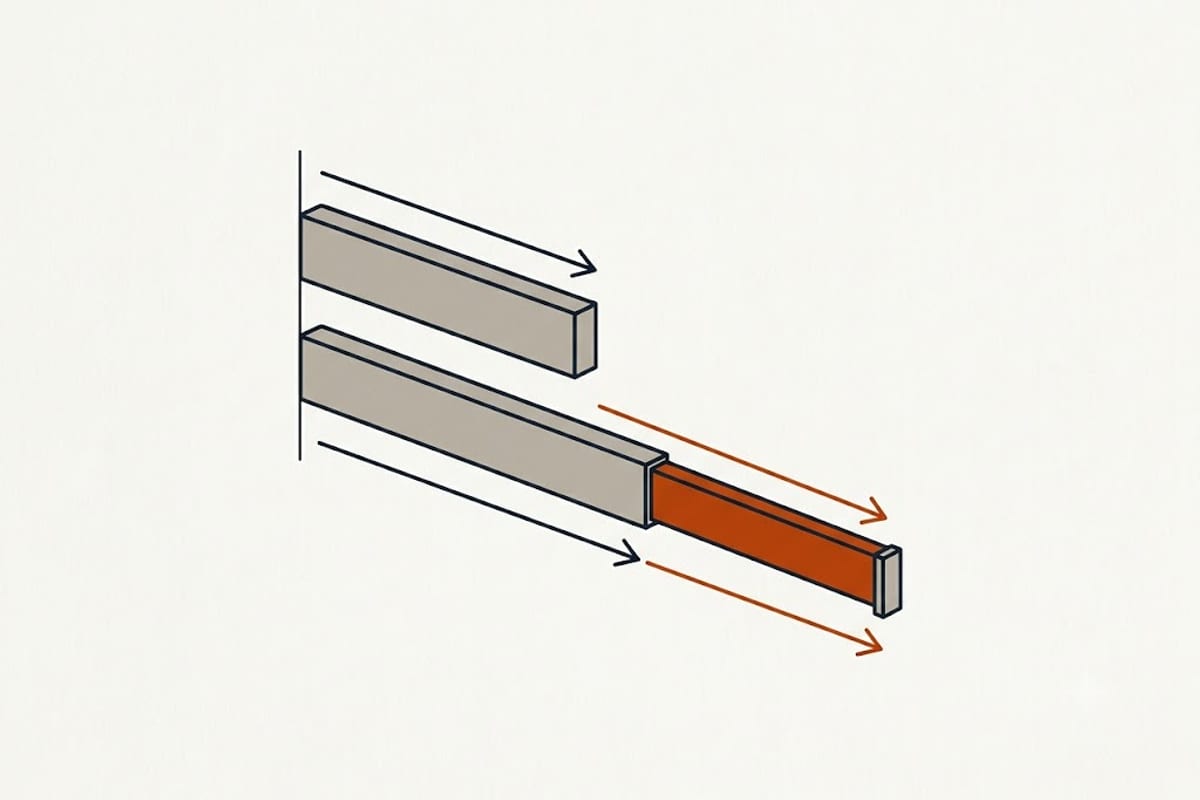
The tank itself. A new perc test. Engineered plans where the county requires them. A pump chamber if the field sits uphill of the tank. And the permit.
On a difficult site those can exceed the field. A mound system — what you get when the water table or bedrock sits too close to the surface — is a different job again and routinely lands well past the top of the bid range shown here.
Two states have no published figure
BLS does not publish a wage for this occupation in the District of Columbia or Rhode Island — the sample is too small. Those rows fall back to the national mean and say so rather than interpolating, because an interpolated number cannot be traced back to anything, and being traceable is the entire value of the exercise.
Before you sign anything
Ask for the design, not just the price. The number of trenches, their length and width, the loading rate used, and where the reserve area sits. A quote without a design is a quote for something nobody has specified — and the reserve area in particular is the thing you will need in twenty years and cannot recover once a driveway is on it.