Perc Testing & Soil
What a perc test measures, what the numbers mean, and what fails.
5 articles
What a 30 minute per inch perc rate means for a 3-bedroom house
30 minutes per inch, 3 bedrooms
750ft² of absorption area
450 gal/day at 0.6 gal per ft² per day · loam
| Soil this rate indicatesordinary soil, ordinary system | loam |
|---|---|
| Hydraulic loading ratethe standard table used by most state codes | 0.6gal/ft²/day |
| Absorption area required | 750ft² |
| Design flow3 bedrooms × 150 gal/day — the most common figure in state code | 450gal/day |
| Percolation rate | 30min/inch |
Notes
- Both ends of the scale fail, and that is the part nobody expects. Everyone assumes faster is better. Below about 1 minute per inch the water runs through before the soil has treated it, and a conventional field is refused for exactly the same reason clay is refused — the difference is that clay fails visibly and sand fails invisibly, into the groundwater somebody drinks.
- 750 ft² is absorption area, not the size of your yard. The trenches need spacing between them, an intact reserve area of the same size in most counties, and setbacks from the well, the property line, the foundation and any surface water. Plan for roughly two to three times this figure of usable, undisturbed ground.
- A perc test is a snapshot of one day. Run it in August after a dry month and the soil takes water it will not take in March. Many counties now require the test in a defined wet season, or require a soil profile pit read by a licensed evaluator instead, precisely because the fast-dry-season result kept producing failed systems two winters later.
- The number that matters more than perc rate is the water table. A perfect 20 min/inch loam with seasonal groundwater 18 inches down still fails: the code requires vertical separation, typically two to four feet of unsaturated soil below the trench. That is found in a soil pit, not in a perc hole, and it is the single most common reason a site with an acceptable perc rate is still refused.
- Design flow here is 150 gal/day per bedroom, which is the most widely used figure. A few states use 120, and some count fixtures instead of bedrooms. Bedrooms are used because they predict occupancy better than square footage does — and because a den with a closet becomes a bedroom the day after the inspector leaves.
Perc rate to absorption area
72 calculations · browse all
- What a 1 minute per inch perc rate means for a 2-bedroom house
- What a 1 minute per inch perc rate means for a 3-bedroom house
- What a 1 minute per inch perc rate means for a 5-bedroom house
- What a 3 minute per inch perc rate means for a 2-bedroom house
- What a 3 minute per inch perc rate means for a 4-bedroom house
- What a 3 minute per inch perc rate means for a 5-bedroom house
- What a 5 minute per inch perc rate means for a 3-bedroom house
- What a 5 minute per inch perc rate means for a 4-bedroom house
- What a 8 minute per inch perc rate means for a 2-bedroom house
- What a 8 minute per inch perc rate means for a 3-bedroom house
- What a 8 minute per inch perc rate means for a 5-bedroom house
- What a 10 minute per inch perc rate means for a 2-bedroom house
- What a 10 minute per inch perc rate means for a 4-bedroom house
- What a 10 minute per inch perc rate means for a 5-bedroom house
- What a 15 minute per inch perc rate means for a 3-bedroom house
- What a 15 minute per inch perc rate means for a 4-bedroom house
- What a 20 minute per inch perc rate means for a 2-bedroom house
- What a 20 minute per inch perc rate means for a 3-bedroom house
- What a 20 minute per inch perc rate means for a 5-bedroom house
- What a 25 minute per inch perc rate means for a 2-bedroom house
- What a 25 minute per inch perc rate means for a 4-bedroom house
- What a 25 minute per inch perc rate means for a 5-bedroom house
- What a 30 minute per inch perc rate means for a 3-bedroom house
- What a 30 minute per inch perc rate means for a 4-bedroom house
- What a 35 minute per inch perc rate means for a 2-bedroom house
- What a 35 minute per inch perc rate means for a 3-bedroom house
- What a 35 minute per inch perc rate means for a 5-bedroom house
- What a 40 minute per inch perc rate means for a 2-bedroom house
- What a 40 minute per inch perc rate means for a 4-bedroom house
- What a 40 minute per inch perc rate means for a 5-bedroom house
- What a 45 minute per inch perc rate means for a 3-bedroom house
- What a 45 minute per inch perc rate means for a 4-bedroom house
- What a 50 minute per inch perc rate means for a 2-bedroom house
- What a 50 minute per inch perc rate means for a 3-bedroom house
- What a 50 minute per inch perc rate means for a 5-bedroom house
- What a 55 minute per inch perc rate means for a 2-bedroom house
- What a 55 minute per inch perc rate means for a 4-bedroom house
- What a 55 minute per inch perc rate means for a 5-bedroom house
- What a 60 minute per inch perc rate means for a 3-bedroom house
- What a 60 minute per inch perc rate means for a 4-bedroom house
- What a 75 minute per inch perc rate means for a 2-bedroom house
- What a 75 minute per inch perc rate means for a 3-bedroom house
- What a 75 minute per inch perc rate means for a 5-bedroom house
- What a 90 minute per inch perc rate means for a 2-bedroom house
- What a 90 minute per inch perc rate means for a 4-bedroom house
- What a 90 minute per inch perc rate means for a 5-bedroom house
- What a 120 minute per inch perc rate means for a 3-bedroom house
- What a 120 minute per inch perc rate means for a 4-bedroom house
 When Conventional Will Not Work — The Alternative Systems
A failed perc test is not the end of a building site. It is the start of a much more expensive one.
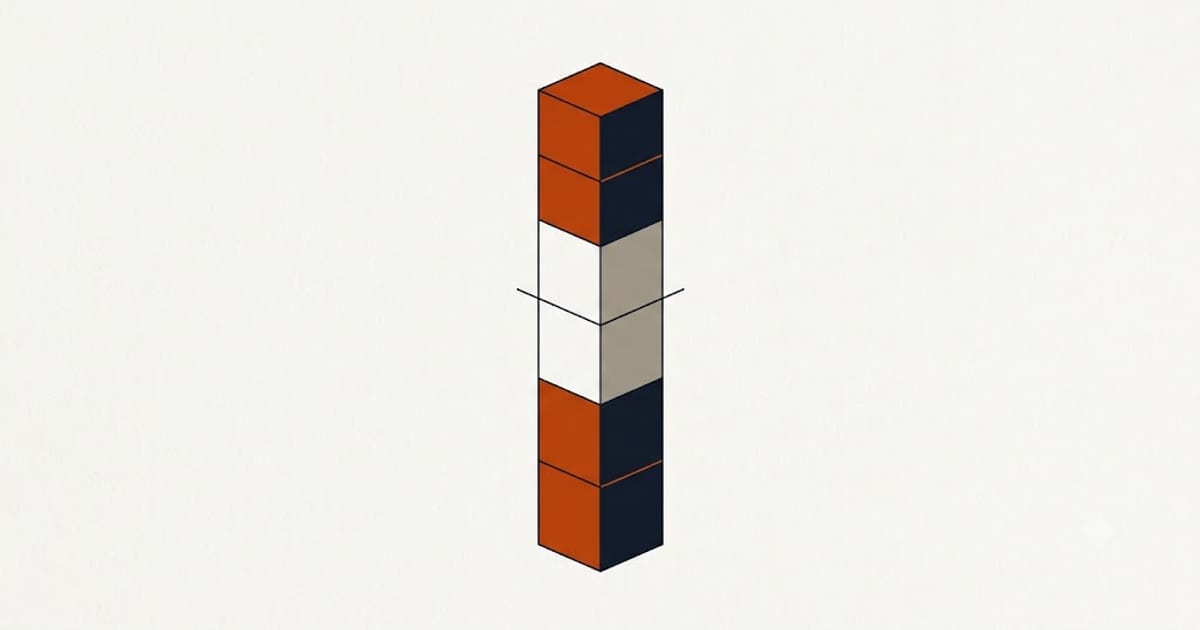 Seasonal High Water Table — The Constraint a Summer Test Cannot See
The ground remembers the wet season even when it is dry, and a soil scientist can read it.
 Before Buying Land — Establish What the Septic System Will Cost
The lot is beautiful, the price is reasonable, and nobody has established whether a house can drain on it.
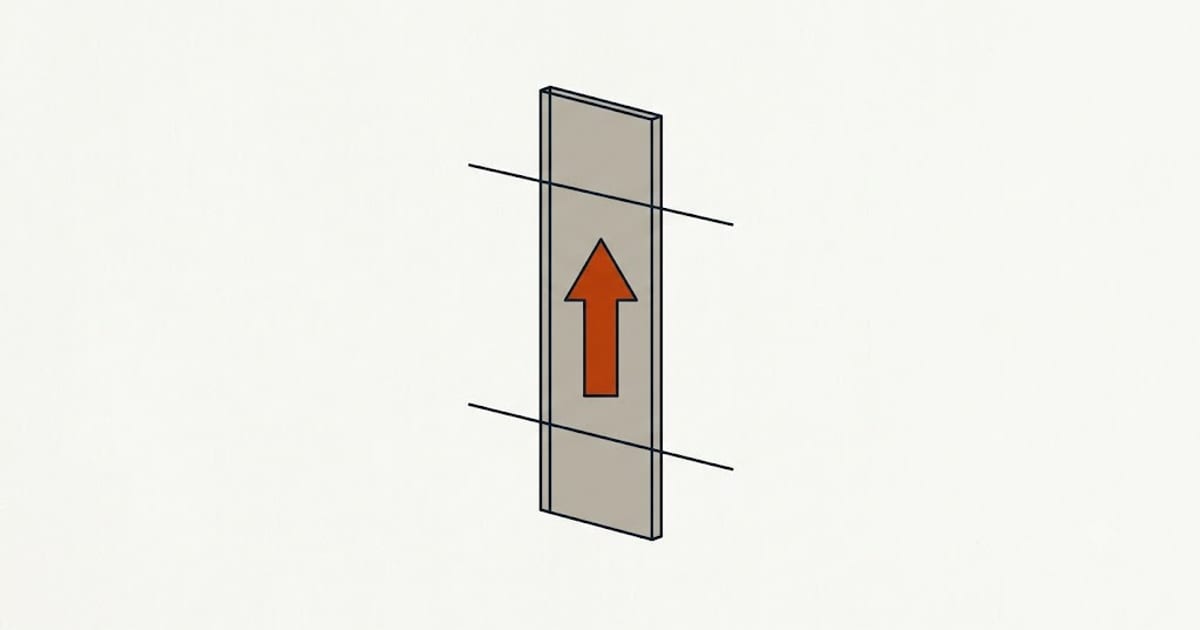 The Perc Test — What Minutes Per Inch Means
Water dropping one inch in twenty minutes is a good result. One inch in two minutes is a different problem.
 Why a Perc Test Fails — And Which Failures Can Be Re-Tested
Most people assume a failed perc test means clay. Often it means the wrong month, the wrong hole, or a water table nobody looked for.