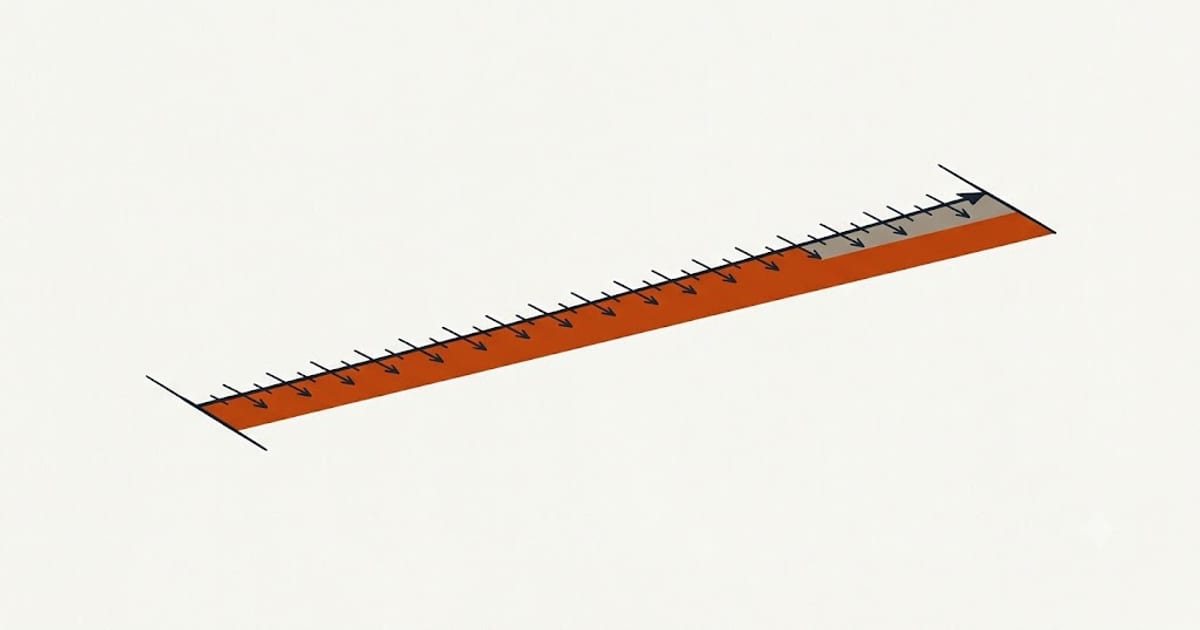
In a gravity field, effluent enters the trench and runs downhill until it finds somewhere to soak in. The near or low end takes most of the load.
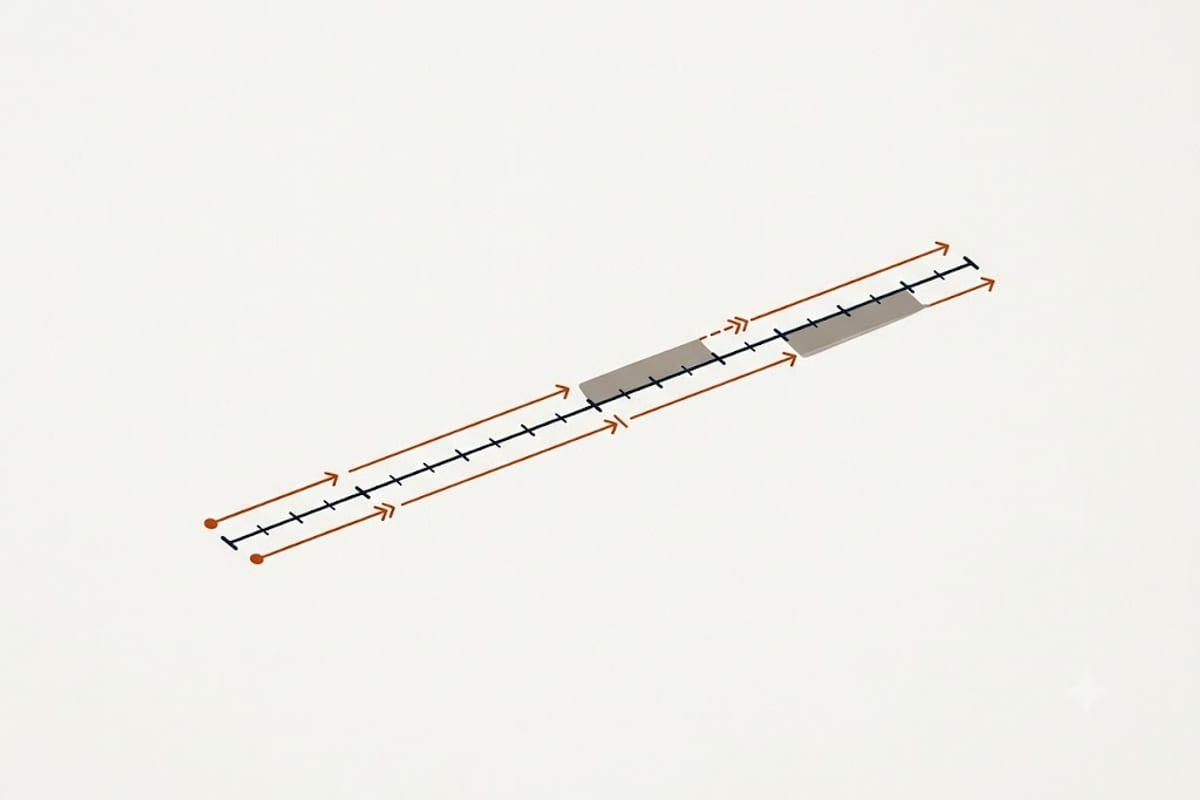
What pressure distribution does
A pump forces effluent through small-diameter laterals with small orifices drilled at intervals.
Because the orifices are small and the system is pressurised, every one discharges at a similar rate. The whole field receives its share in every dose.
That means the entire absorption area is used, rather than a fraction of it doing all the work until it fails.
Where it is required
Sloping sites, where gravity would concentrate everything at the bottom.
Mound systems, where effluent must be spread evenly across the sand.
Sand filters and drip fields.
Shallow, wide fields near the surface, where even loading matters most.
Anywhere the jurisdiction requires it, which is an increasing number of places for new systems.
Dosing
Pressure systems deliver in doses rather than continuously, either by float or, better, on a timer.
Timed dosing spreads the day's flow evenly regardless of when the household used water — a morning of laundry and showers goes to the field over twenty-four hours rather than in one slug.
Between doses the field drains and re-aerates, which is what keeps the soil interface working. That resting period is a large part of why pressure systems perform better than gravity ones on marginal soil.
The squirt test
The standard field check.
Caps at the ends of each lateral are opened, the pump is run, and the height of the squirt from a riser at the end of each lateral is measured.
A consistent height across all laterals means the pressure is right and the orifices are clear. A low or falling height means orifices are blocked, the pump is weakening, or there is a leak.
It takes a few minutes, it gives a number that can be compared year to year, and it is the single most informative check on a pressure system.
Flushing
Laterals accumulate solids and biological growth over time.
The end caps are opened and the system run to flush them out — typically annually, and the cleanouts at the lateral ends are what makes that possible. A system built without accessible cleanouts cannot be flushed properly.
What can go wrong
Blocked orifices, from solids escaping the tank or from growth. An effluent filter ahead of the pump is the prevention.
A weakening pump, which shows as a falling squirt height before it shows as anything else.
A leak in a lateral, which dumps effluent at one point.
Freezing, where laterals are shallow in a cold climate and the system sits unused — a seasonal property is the usual case.
A failed timer or float, which reverts the dosing pattern to something the field was not designed for.
Maintenance obligations
A pressure system has mechanical components and it is not a fit-and-forget arrangement.
Annual service — the squirt test, a flush, the filter, the pump and floats — is what keeps it working, and in many jurisdictions it is a condition of the permit rather than a recommendation.
That obligation is part of what a household takes on when a site requires this kind of system, and it belongs in the comparison at design stage alongside the installation cost.
Winterising a seasonal property
Shallow laterals in a cold climate freeze if the system sits unused through winter, and effluent left standing in a lateral is what freezes first.
Systems on seasonal properties are drained down or designed to self-drain back to the pump chamber between doses, and the pump chamber and controls need attention before the property is closed up.
That is a specific procedure from the designer rather than a general rule, and it is worth having in writing with the as-built drawing.