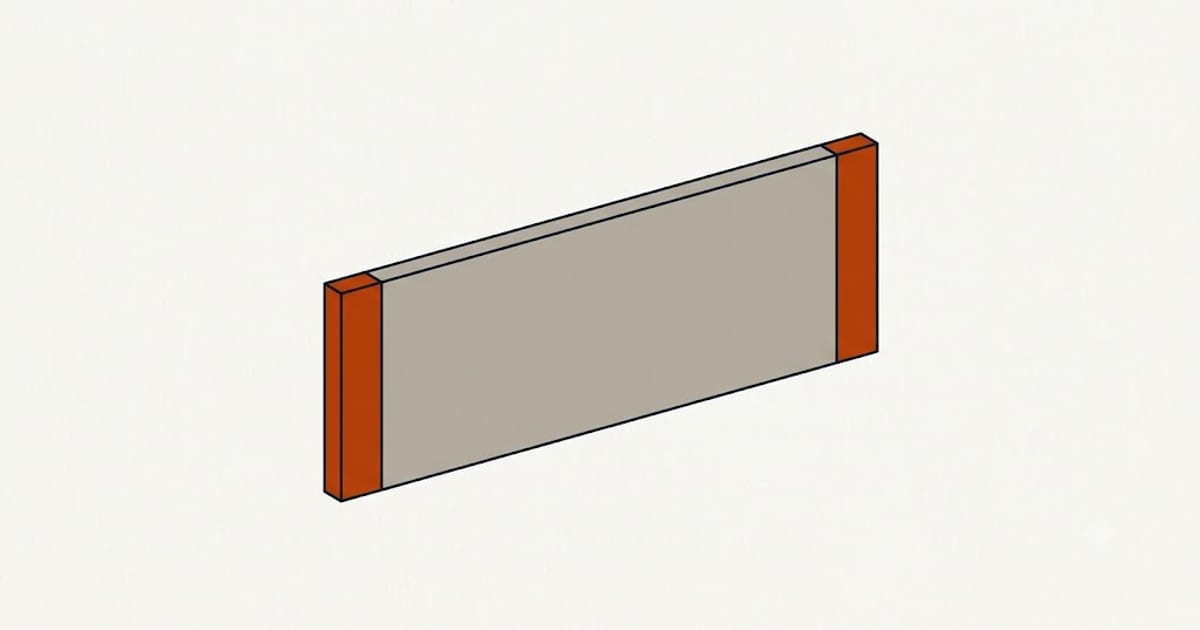
A septic tank is a settling chamber, and settling only happens if the liquid is calm and if the outlet draws from the right level.
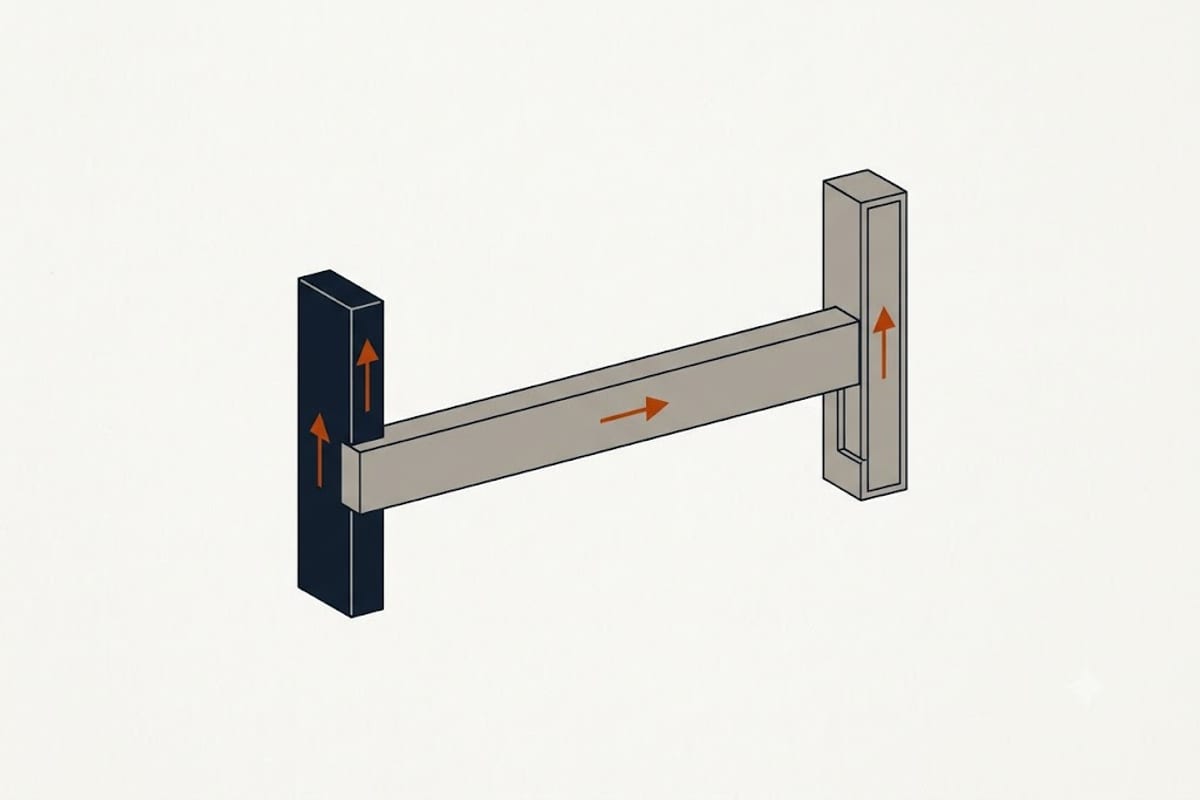
The inlet baffle
A tee or a wall directing incoming flow downward rather than straight across the tank.
Without it, each flush sends a jet across the surface, stirring the scum layer and disturbing the settling that has already happened. The tank becomes a pipe with a bulge in it.
The outlet baffle
A tee or a wall drawing effluent from below the scum layer and above the sludge, in the clarified middle.
This is the one that matters most. A missing or broken outlet baffle means scum and floating material leave with the effluent and travel to the drainfield, where they clog the soil interface.
Older concrete tanks frequently have deteriorated baffles, and the top of a concrete tank is where corrosion from sewer gases concentrates. It is one of the standard findings at inspection, and it is inexpensive to correct — a plastic tee replaces it.
The effluent filter
A cartridge fitted into the outlet tee, catching solids that get past the baffle.
Not universal on older tanks, and required in new work in many jurisdictions.
It costs very little, it can be retrofitted at any pumping, and it protects the most expensive component in the system. On any tank without one, fitting one is among the best value decisions available.
Cleaning it
The filter accumulates material and eventually restricts flow, which shows up as slow drains throughout the house — the same symptom a failing field produces.
That is why the filter is the first thing to check when a system starts backing up: it is a ten-minute job, and it is a very common cause of a household being quoted for a field replacement.
Cleaning means pulling the cartridge and rinsing it back into the tank, at each pumping and any time drains slow.
Fit a riser to grade over the outlet access so this is a lid rather than an excavation. Filters that are hard to reach do not get cleaned.
The alarm option
Filters are available with a float and an alarm that signals when the level backs up, before the household notices slow drains.
On a system where a backup would reach a finished basement, that is worth having.
What they cannot do
They do not replace pumping. Solids still accumulate, and a filter that catches them does not remove them.
They do not treat effluent — that is the soil's job.
They do not fix a failing field.
The inspection checklist for the tank
Inlet baffle present and intact. Outlet baffle present and intact. Effluent filter present, and clean. Liquid level at the outlet invert — higher means effluent is not leaving, lower means the tank is leaking. Sludge and scum depths measured. No cracks, and the top of a concrete tank sound rather than crumbling.
That list takes a few minutes with the lids off, and it separates a healthy tank from one that has been feeding the drainfield solids for years.
When the tank itself is the problem
A cracked or collapsing tank, or one with a corroded top, is replaced.
It is a smaller job than a field replacement and it is worth doing promptly, because a tank not holding its level is a tank not settling — and everything downstream of it pays for that.
Safety at an open tank
A septic tank contains hydrogen sulphide and methane and is oxygen-deficient. It is a confined space and it has killed people who leaned in.
Nobody enters a tank, ever, and lids are secured whenever work stops. Filter cleaning and inspection are done from above with the appropriate tools, which is how a professional does it.