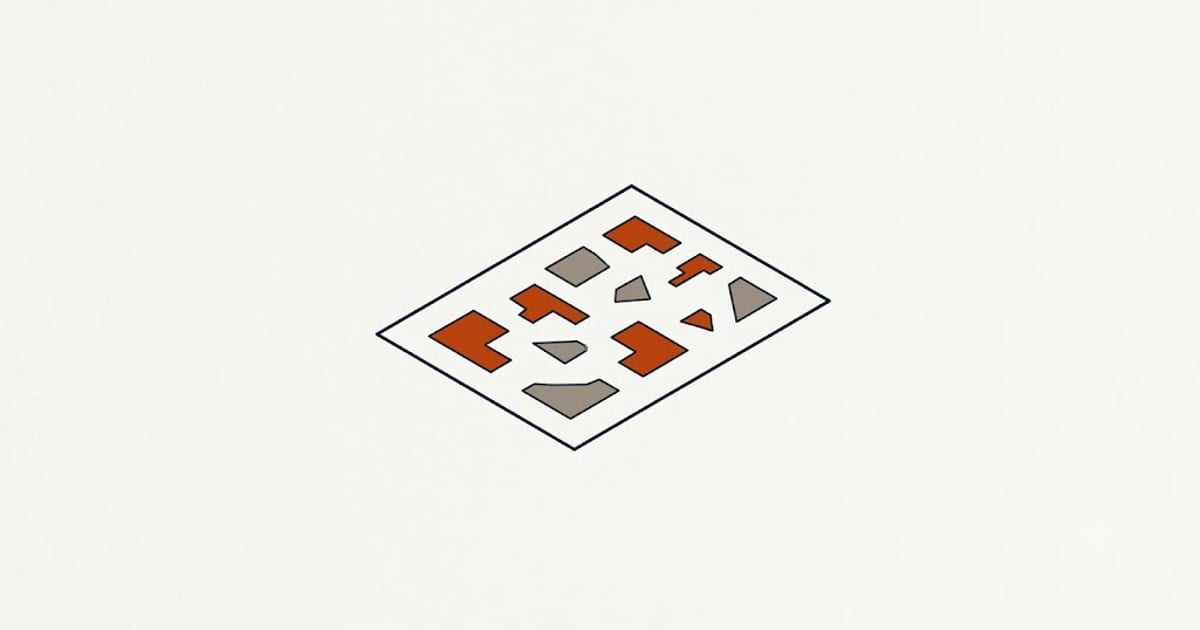
A septic tank holds a bacterial process. What harms it divides into things that do not break down and things that kill bacteria.
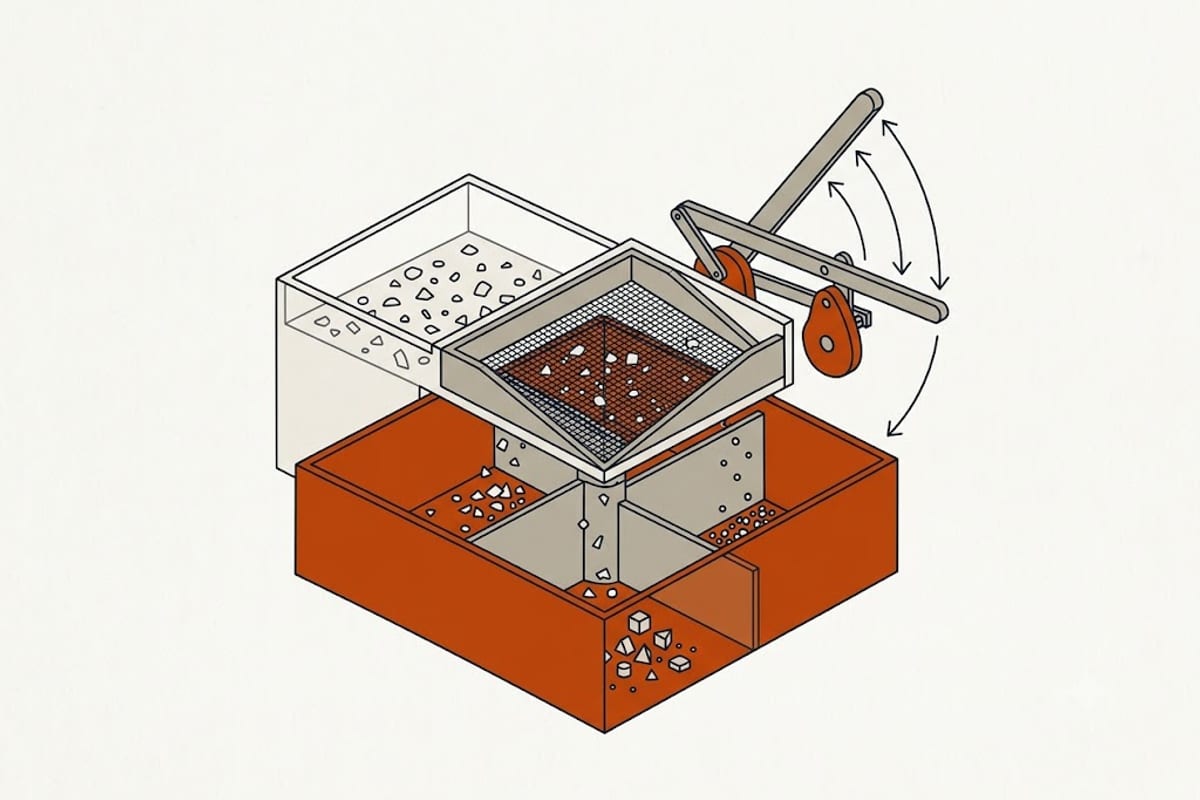
Things that do not break down
Wipes, including every product labelled flushable. They pass the toilet and they do not disintegrate. They accumulate in the tank and they jam pumps.
Feminine hygiene products.
Paper towels and tissues, which are made not to break up in water — unlike toilet paper, which is made to.
Dental floss, which tangles around pump impellers.
Cat litter, including the varieties sold as flushable.
Cigarette butts.
Condoms.
Everything on this list ends up as sludge that has to be pumped out, and several of them are the direct cause of pump failures.
Grease and oil
Cooking grease congeals in the tank as part of the scum layer, and in quantity it carries through to the field where it coats the soil interface.
It also solidifies in the pipe between the house and the tank, which is where a slow drain frequently begins.
Grease goes in the bin, not the sink.
Chemicals
The tank's bacteria are what makes it work, and they can be killed.
Occasional normal use of household cleaners, bleach and detergent is fine — the tank's volume dilutes it and the population recovers.
Sustained heavy use is not. Pouring bleach or drain cleaner down regularly, or discharging a darkroom, a workshop or a hobby that uses solvents, will suppress the biology.
Antibacterial products in quantity, and medications disposed of down the toilet, both work against it.
Paint, solvents, pesticides and motor oil must never go in — they pass through to the groundwater, which is the whole thing a septic system exists to protect.
Garbage disposals
A disposal roughly doubles the solids load entering the tank.
Some jurisdictions require a larger tank where one is fitted, and the pumping interval should be shortened regardless. Ground food waste does not disappear; it settles as sludge.
A household on a septic system is better off composting or binning food waste, and where a disposal is used, treating it as a reason to pump more often rather than less.
Water, in quantity
Hydraulic overload is a failure mode of its own.
A leaking toilet can add hundreds of gallons a day, which is enough to drown a healthy field. It is silent, and it is worth testing for with dye in the cistern.
All the laundry on one day delivers a large slug that reduces retention time in the tank. Spreading it across the week helps.
A water softener discharging into the system adds volume and salt. Rules vary by jurisdiction, and where diverting it is permitted it is generally worth doing.
Roof and surface drainage must never be routed to the septic system or over the field.
The additives question
Products sold to "restore" or "boost" a septic tank are unnecessary. The bacteria arrive continuously in what enters the tank.
Some are worse than unnecessary: additives that claim to dissolve sludge can carry solids out to the drainfield, which is precisely the damage that pumping exists to prevent.
The short version
Human waste and toilet paper. Nothing else, on purpose.
Toilet paper choice
Ordinary toilet paper breaks down quickly and is what the system expects.
Very thick, quilted or heavily scented products break down more slowly and add to the sludge. It is a small effect and it is free to avoid, and the products labelled septic-safe are simply the ones that disintegrate readily.
Protecting the field above ground
No vehicles, trailers or livestock over the field, ever. Compaction destroys the soil structure the field depends on.
No paving, decks or sheds over it.
No trees within the distance the local rules specify — willows, poplars and maples are the usual offenders, and roots find the trenches.
Grass over the field, kept mowed, is the right ground cover: shallow-rooted, and it takes up water.