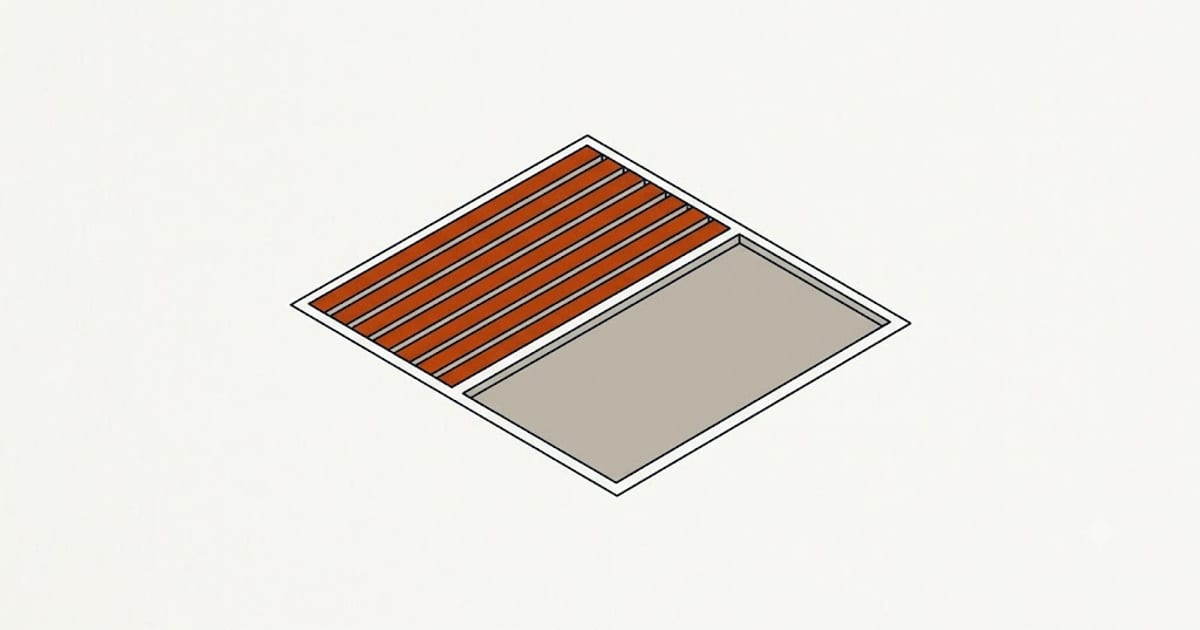
A drainfield is not permanent. A biomat forms at the soil interface over years, capacity declines, and eventually the field can no longer accept the household's flow.
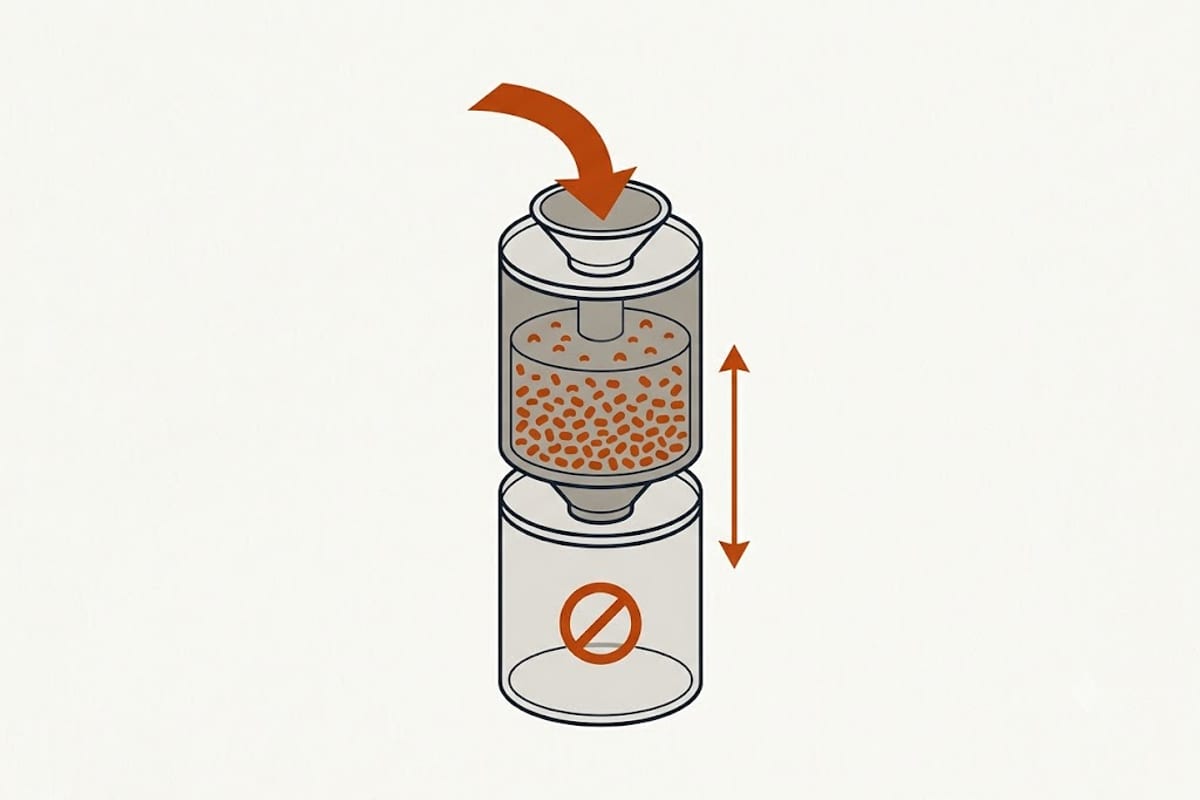
The expected life
Twenty to thirty years for a well-built, well-maintained conventional field.
Considerably less where the tank was never pumped, where solids reached the soil, where the field was compacted or overloaded, or where it was built in wet conditions.
That is a design life rather than a defect, which is why most jurisdictions require a reserve area from the outset.
The reserve area
Undisturbed ground set aside for a replacement field, sized like the original and protected for the life of the property.
Protected means: not driven on, not built on, not paved, not planted with trees, and not compacted during construction.
It is the single most valuable thing on a septic property that nobody thinks about, and it is routinely lost — a shed, a driveway extension, a pool, an addition.
The process
Confirm the field has actually failed, and rule out the cheaper causes first: a blocked effluent filter, a settled distribution box, a crushed pipe, a leaking toilet adding hundreds of gallons a day.
A soil evaluation in the reserve area, to current standards.
A design, to current rules — which may be stricter than when the original was built, and may require a larger field or a different system type.
A permit.
Construction, in dry conditions, protecting the ground from compaction.
The tank inspected and usually retained, if it is sound.
Where there is no reserve area
This is where a replacement becomes a project.
Another part of the lot, evaluated and, if it works, designed for.
An alternative system with a smaller footprint — a sand filter or an aerobic unit producing effluent clean enough to disperse over less area.
Drip dispersal, which can use irregular scattered areas that a trench field cannot.
Removing whatever occupies the reserve, which is sometimes the answer and rarely a welcome one.
A holding tank, in limited circumstances, expensive to operate.
Can the old field be reused
Sometimes, after resting.
A field taken out of service for a period can recover some capacity as the biomat breaks down, which is the principle behind alternating fields — two fields with a valve, used in turn. Where that arrangement exists, it substantially extends the total life.
Rehabilitation techniques exist — jetting, aeration, chemical treatments — with mixed evidence. They are worth trying only on the advice of someone who has examined the specific system, and never as a substitute for diagnosing why it failed.
Reducing the load first
Where a field is marginal rather than dead, reducing the flow sometimes restores it to service:
Fix every leaking toilet and tap. Spread laundry across the week. Fit low-flow fixtures. Divert the water softener discharge where permitted. Keep surface and roof water off the field.
None of that repairs a field that has truly failed, and all of it extends one that is close to the edge.
Protecting the new one
The same things that killed the first field will kill the second.
Pump the tank on schedule, fit and clean an effluent filter, keep vehicles and structures off both the field and the new reserve, and keep an as-built drawing with the house papers so the next owner knows where everything is.
The permit history is worth reading first
The county health department holds the original permit and as-built drawing.
It says where the field is, where the reserve is, what the system was designed for, and when it was built. On a house being bought, that file answers most of the questions an inspection raises, and it is free.